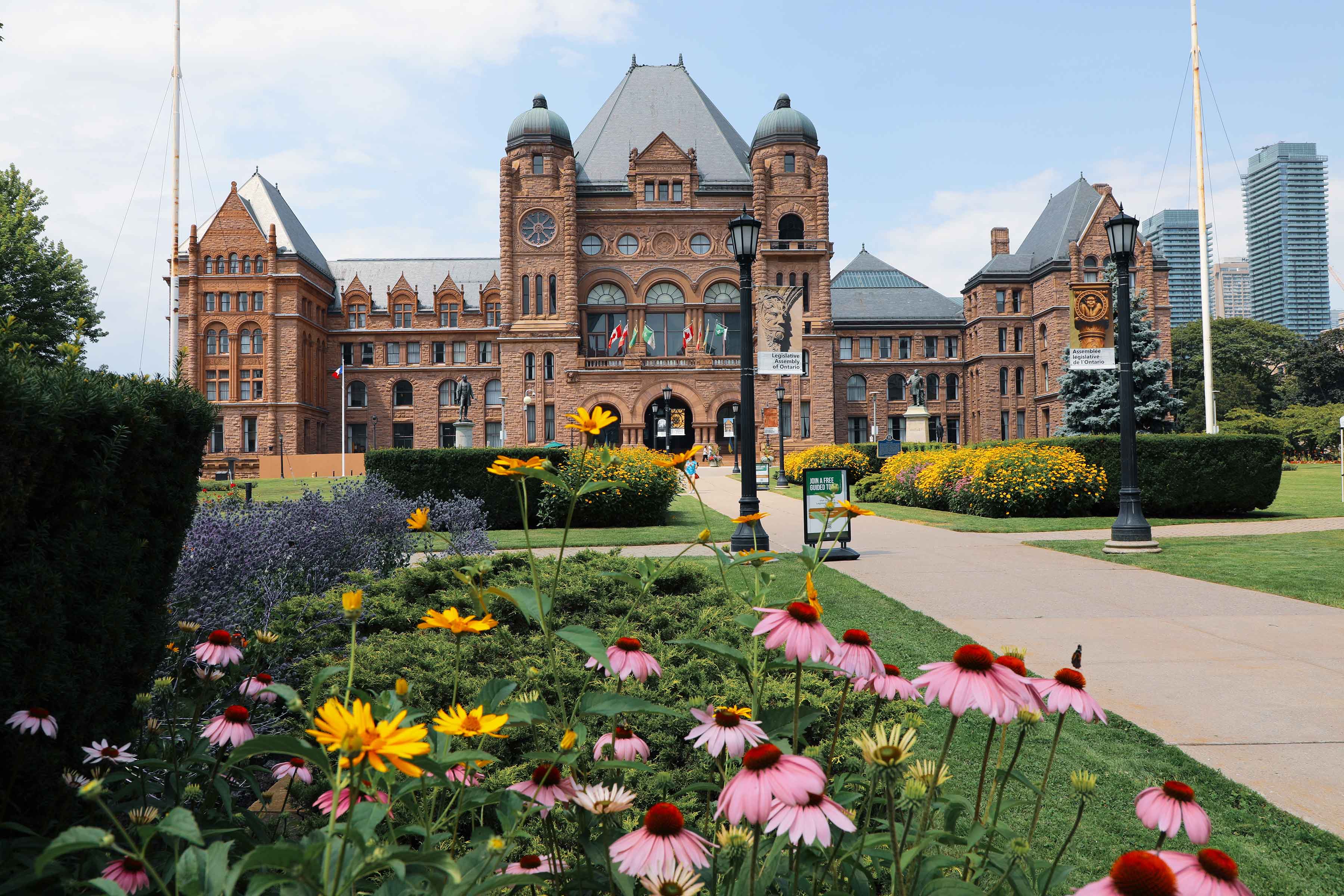
The 2025 provincial election is over. The work isn't.
One in five people in Ontario lives with chronic pain. Many wait years for an assessment, watch their care fall through gaps between primary care, specialist clinics, and community supports, or pay out of pocket for what should be covered. The election cycle gave us a brief window where pain made it into platforms and speeches. Now the harder part: keeping it on the agenda when other files are louder.
Your MPP hears from constituents. They notice when an issue keeps coming up. A short, specific email from someone in their riding moves more than a national petition.
Why your message matters
Chronic pain is one of the most expensive untreated health conditions in the province. It is a leading driver of disability, lost income, and avoidable health-system costs. People with lived and living experience have been telling the system this for decades. The evidence is here. The standards are here. What is missing is sustained political attention and the funding that follows it.
When MPPs hear the same concern from the same riding more than once, it gets logged. When it gets logged across many ridings, it becomes a file. Files become motions, questions, and budget items.
What we are asking for
- Faster access to publicly funded pain care. Wait times for specialist assessment in Ontario can stretch into years.
- Coverage of evidence-based, non-pharmacological treatments. Physiotherapy, mental-health care, and self-management programs are part of good pain care and are not equally available across the province.
- A provincial action plan on pain that builds on Health Quality Ontario's chronic pain quality standard and the federal Action Plan for Pain in Canada, with timelines, funding, and accountability.
How to take action in five minutes
- Find your MPP using your postal code →
- Use our email template. It is short and specific, and you can adapt it to your own experience if you want to. →
- Share this with one other person living with pain or supporting someone who is.
If you are comfortable doing it, telling your own story in one or two sentences is what makes these messages land. You don't need to share more than feels right.
See our contact page to join the mailing list or write to us about board, committee, or advocacy involvement. We particularly want to hear from people with lived and living experience of chronic pain across Ontario, including from northern, rural, and racialized communities.
Pain doesn't have a constituency until we build one. Thank you for being part of that.